ChapterMuse

Search results for universe

About 37 results (0.033 seconds)

CMwww.chaptermuse.com › Guide › Scrivener migration

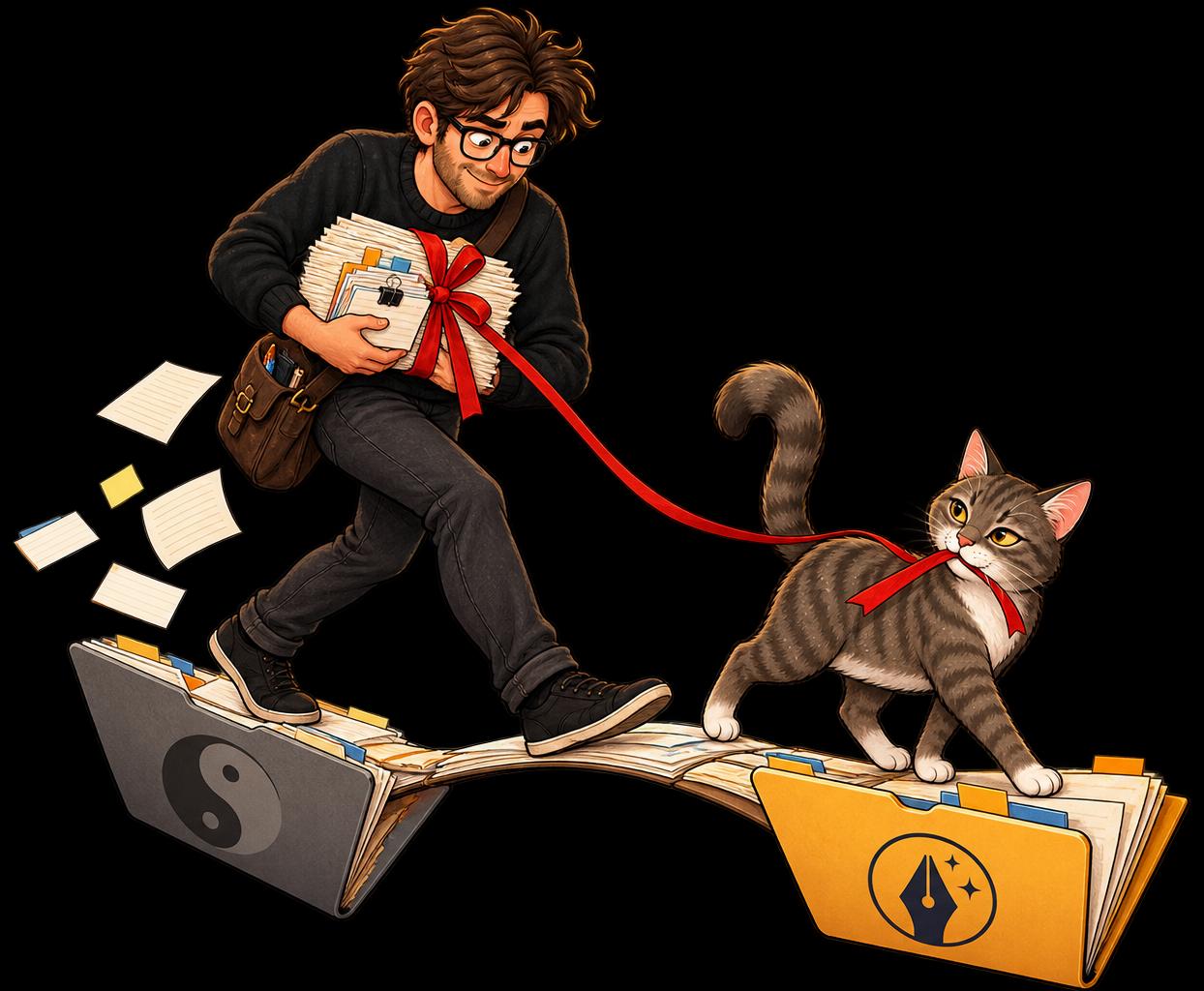
Moving a novel out of Scrivener, safely

Every horror story about a lost novel has the same shape: there was a backup, and it turned out to be empty, or four months stale, or a folder the application politely declined to recognise.
CMwww.chaptermuse.com › Guide › Plan a scene

How to write a scene that turns

By Robert McKee, Story Strip the vocabulary out and it says: something that mattered was in one state at the top of the scene and is in a different state at the bottom.

CMwww.chaptermuse.com › Guide › First pages

First pages: what makes an agent stop reading

On page one, the model the reader is building is the model of whose story this is, so a slide does not merely confuse them, it withdraws the offer while they are still deciding whether to accept it.

CMwww.chaptermuse.com › Guide › Sagging middle

How to diagnose a sagging middle

This is Shawn Coyne's insight in The Story Grid, minus the spreadsheet: he has editors log every scene as a row and then read down the columns rather than across the rows, because the story-level faults only show themselves when…

CMwww.chaptermuse.com › Guide › Revise a novel

How to revise a novel so the revision ends

It is negative progress: it cost you an hour and it made the chapter feel more finished, which makes you less willing to cut it, which is how a book ends up organised around its best paragraphs rather than around its story.

CMwww.chaptermuse.com › Guide › Point of view and psychic distance

Point of view: psychic distance is a dial

John Gardner called it psychic distance, and defined it with unusual plainness for a man who could be quite grand about fiction: the "distance that the reader feels between himself and the events of the story".